
AI transformation is a problem of governance that challenges organizations to balance technological innovation with ethical oversight and accountability. As companies implement advanced systems, they often encounter AI governance challenges and AI ethical risks that demand structured frameworks to ensure fairness and transparency. Understanding why AI transformation is a problem of governance helps leaders address biases, enforce AI decision explainability, and develop adaptive policies that align with legal and societal standards. Without proper oversight, organizations risk operational failures, loss of public trust, and unintended consequences, highlighting the crucial role of governance in managing AI responsibly.
Understanding AI Transformation as a Governance Challenge
Artificial intelligence is changing industries at an unprecedented pace, yet why AI transformation is a governance issue remains underexplored. Organizations often focus on technology adoption without considering AI governance challenges, which can lead to AI ethical risks, AI transparency issues, and AI accountability in organizations. Decisions made by AI systems influence millions, making governance frameworks essential to avoid harm. Companies must implement AI governance frameworks to monitor, control, and align AI with societal and business goals. Without oversight, AI bias and fairness challenges may amplify inequality and reduce public trust. Leadership and policy teams need a clear understanding of AI regulatory landscape to integrate responsible practices.
The complexity of governance vs technology in AI transformation means organizations cannot rely on IT departments alone. They require structured policies, operational procedures, and clear accountability lines. AI decision explainability ensures stakeholders understand machine outcomes, while enterprise AI governance and AI stakeholder engagement create cohesion between developers, managers, and regulators. By embedding responsible AI principles and AI oversight mechanisms, organizations can prevent operational failures and secure trust, making AI transformation sustainable and ethically aligned.
Why AI Cannot Be Managed by Technology Alone
Technology provides tools, but it cannot manage AI deployment risks or ensure compliance with AI governance standards. Automation without governance may lead to AI implementation barriers, legal liabilities, and reputational damage. Human oversight is essential to detect anomalies, enforce AI risk management strategies, and guide ethical decision-making. Organizations that ignore governance struggle with legacy systems and AI governance problems, where old infrastructure and processes cannot support modern AI. Integrating AI into a company requires governance structures that address talent gap in AI governance and ensure teams understand ethical, legal, and operational requirements.
Even with advanced algorithms, companies face challenges such as organizational culture resisting AI governance and insufficient expertise to implement AI adoption and governance challenges. Governance extends beyond rules it includes active monitoring, auditing, and continuous adaptation to evolving technologies. Ethics-by-design AI governance principles guide AI from conception to deployment, ensuring outcomes remain fair, transparent, and accountable. Without these structures, lack of AI governance frameworks in companies results in inconsistent performance, biased decisions, and weakened trust in AI solutions.
Key Governance Risks in AI Transformation
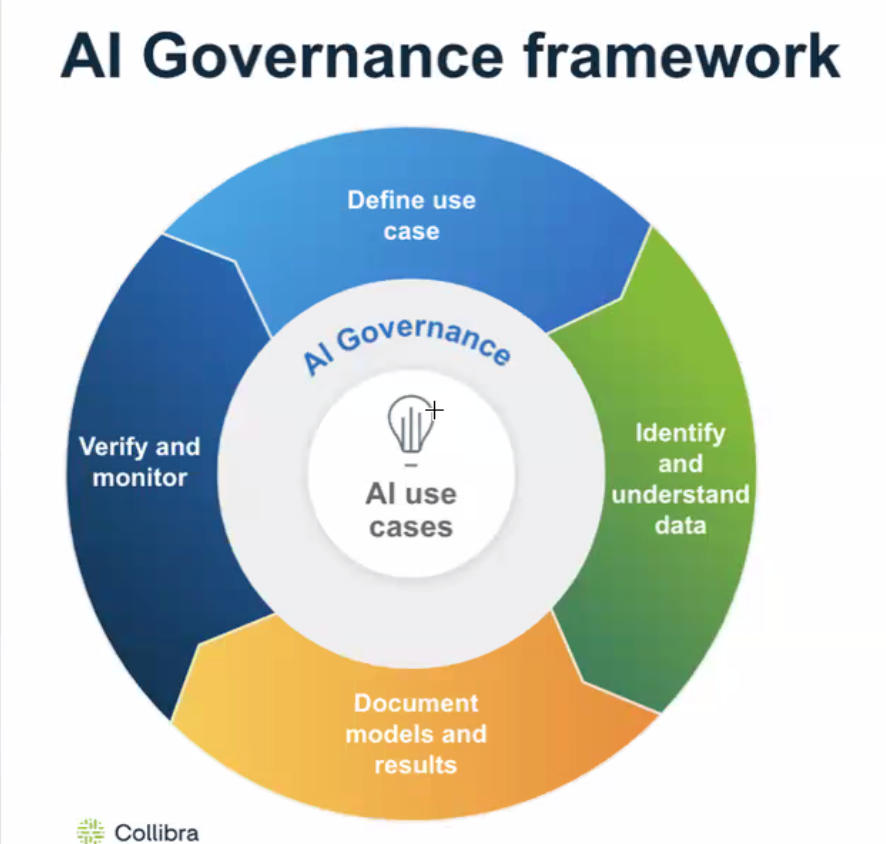
AI transformation brings numerous AI ethical risks that can compromise organizational and societal integrity. Risks include algorithmic bias, poor decision transparency, and inaccurate data interpretation, highlighting the importance of AI data quality issues. Poor oversight can cause financial losses and reputational damage while eroding public confidence. AI governance transparency and explainability ensures decision processes remain understandable, allowing auditors, regulators, and stakeholders to trust AI outcomes. Enterprises implementing AI must consider AI governance roles clearly, defining responsibilities across teams to minimize operational risks.
Additionally, AI governance operational hurdles such as inadequate auditing, unclear escalation paths, and insufficient skill sets can delay AI adoption. Organizations often face AI governance skills shortage, making training essential for ethical deployment. Without proper guidance, AI systems fail to achieve compliance with ISO/IEC 42001 AI governance standard, and cross-functional AI governance committees are necessary to coordinate strategy across departments. Impact of poor AI governance on trust becomes evident when users perceive biased outcomes or unethical practices, underscoring the need for robust governance mechanisms.
The Role of Ethics in AI Governance
Ethical considerations underpin the responsible use of AI and protect organizations from AI bias and fairness challenges. Integrating responsible AI principles into policy ensures equitable decision-making and prevents misuse of sensitive data. Ethics frameworks address dilemmas where AI actions can affect rights, safety, and equality. Organizations applying ethical governance for AI deployment must evaluate systems continuously, ensuring compliance with both moral and regulatory standards. Maintaining AI oversight mechanisms guarantees that AI operations align with company values and societal norms, preserving reputation and reducing risks.
Beyond compliance, ethics enhance enterprise readiness for AI governance by fostering transparency, accountability, and public confidence. Establishing ethical codes encourages collaboration among developers, managers, and regulators, allowing organizations to implement AI policy development effectively. By anticipating unintended consequences and proactively addressing risks, ethical governance strengthens AI strategies and ensures equitable, transparent, and responsible AI deployment in complex operational environments.
Regulatory Challenges and Gaps in AI
The rapidly evolving AI landscape creates regulatory gaps in AI oversight that governments and organizations must address. Current legislation often lags behind AI capabilities, leaving companies exposed to compliance risks and legal ambiguities. Integrating AI governance standards into corporate policies mitigates these risks and aligns operations with emerging regulations. Understanding the AI regulatory landscape allows organizations to navigate data privacy, bias mitigation, and accountability requirements, reducing the likelihood of penalties. Enterprises must proactively adapt to maintain AI governance transparency and explainability and demonstrate adherence to laws and ethical practices.
Global inconsistency in regulations further complicates governance, as different regions impose diverse requirements. AI governance stakeholder collaboration becomes crucial when operations span multiple jurisdictions. Organizations must develop internal frameworks to enforce compliance, guide AI implementation barriers, and ensure ongoing monitoring of emerging legal trends. Strategic governance bridges the gap between technology deployment and regulatory expectations, enabling sustainable AI adoption and reinforcing public trust in automated systems.
Global Approaches to AI Governance
Countries worldwide are crafting diverse strategies to manage AI governance challenges. The European Union has introduced the AI Act, emphasizing AI ethical risks, transparency, and accountability. Governments in North America and Asia focus on sector-specific guidelines while private enterprises adopt adaptive AI governance approaches. International collaboration fosters shared standards, facilitating interoperability and reducing AI deployment risks. By examining enterprise AI governance models, organizations learn to implement global best practices while aligning with ethical and legal frameworks.
Organizations also benefit from AI governance frameworks that adapt to local cultures, infrastructures, and policies. Cross-border projects require AI stakeholder engagement to ensure compliance and ethical consistency. Lessons from global AI initiatives highlight the importance of AI decision explainability and AI oversight mechanisms, reinforcing confidence in AI systems. Coordination between regulators, companies, and civil society promotes safe, responsible, and transparent AI deployment on a worldwide scale.
Multi-Stakeholder Involvement in AI Governance
Successful AI governance relies on collaboration across sectors. Cross-functional AI governance committees enable departments to coordinate policies, share insights, and implement ethical frameworks. AI governance roles become clearer when leadership, technical teams, and auditors work together. This approach addresses AI governance operational hurdles, facilitates AI adoption and governance challenges, and encourages compliance with AI governance standards. Engagement across stakeholders ensures AI is developed and deployed responsibly, reducing impact of poor AI governance on trust.
Additionally, involving stakeholders mitigates AI bias and fairness challenges by introducing multiple perspectives in design and auditing. AI governance stakeholder collaboration fosters transparency and shared accountability. Companies that embrace collaborative governance models enhance enterprise readiness for AI governance and strengthen their ethical and legal compliance, allowing AI to generate benefits without compromising social or organizational integrity.
Adaptive Governance for Emerging AI Systems
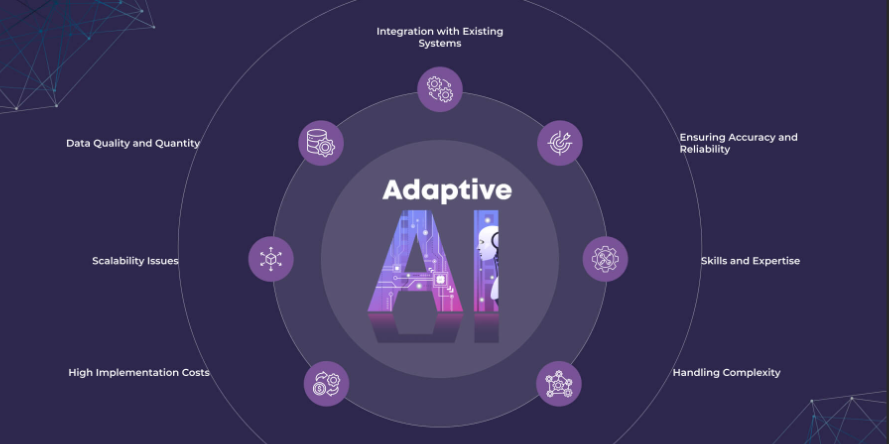
Emerging AI technologies require adaptive AI governance that evolves with new capabilities. Static governance models often fail to address rapid changes, leading to AI implementation barriers and oversight gaps. Adaptive governance incorporates continuous monitoring, regular policy updates, and iterative risk assessments. Organizations implementing these models can manage AI deployment risks, address AI decision explainability, and enforce ethical governance for AI deployment effectively. Flexibility ensures AI remains compliant with standards such as ISO/IEC 42001 AI governance standard while responding to evolving business and societal needs.
Adaptive strategies also enhance AI governance transparency and explainability by integrating feedback loops and real-time reporting. AI risk management strategies become more efficient, allowing organizations to anticipate failures and optimize performance. By leveraging enterprise AI governance frameworks, adaptive governance reduces operational inefficiencies, mitigates bias, and ensures that AI systems evolve responsibly alongside technological and regulatory developments.
Case Studies of Successful and Failed Governance
Real-world examples reveal the consequences of governance decisions. One multinational company implementing AI for hiring faced AI bias and fairness challenges due to lack of AI governance frameworks in companies, causing reputational harm. Conversely, an enterprise that incorporated ethics-by-design AI governance principles and cross-functional AI governance committees successfully deployed predictive analytics, ensuring compliance and public trust. These cases highlight the tangible benefits of structured governance and the risks of neglecting oversight.
Analyzing legacy systems and AI governance problems exposes gaps where outdated infrastructure fails to support ethical AI. AI governance operational hurdles such as insufficient auditing and skill shortages amplify risks. Case studies demonstrate that enterprises adopting AI governance stakeholder collaboration and proactive AI policy development achieve better outcomes, reinforcing the necessity of governance in AI transformation.
Data Governance as a Core Pillar
High-quality data underpins responsible AI. AI data quality issues can skew outcomes, introduce bias, and erode confidence. Implementing structured data governance, including regular validation, auditing, and lineage tracking, ensures transparency and reliability. AI governance audit trails and data lineage document the journey of data through AI systems, reinforcing accountability. Tables below illustrate governance and data management strategies:
| Governance Element | Key Focus | Outcome |
| Data Quality | Accuracy, completeness | Reliable AI outputs |
| Audit Trails | Logging and documentation | Accountability and traceability |
| Oversight Mechanisms | Monitoring AI performance | Risk reduction |
| Stakeholder Engagement | Collaboration and transparency | Ethical compliance |
AI governance transparency and explainability relies on robust data practices, enabling organizations to mitigate risks, maintain public trust, and ensure AI outputs are reliable and ethically sound.
Human Oversight and Accountability in AI
Human supervision is essential to manage AI deployment risks. AI governance roles define responsibility for decision-making, risk mitigation, and compliance. Oversight mechanisms such as audits, monitoring dashboards, and review committees strengthen accountability. Ethical AI relies on human judgment to interpret outputs, correct biases, and ensure adherence to responsible AI principles. Without supervision, AI ethical risks and AI bias and fairness challenges can compromise organizational integrity and societal trust.
Establishing cross-functional AI governance committees supports collaboration between technical teams, management, and legal advisors. Organizations gain clarity in AI governance operational hurdles and improve enterprise readiness for AI governance. Human oversight complements adaptive AI governance, allowing rapid response to errors or unexpected behaviors. Accountability mechanisms provide transparency for stakeholders and reinforce the ethical and regulatory compliance of AI systems.
Frameworks and Guidelines for AI Governance
Structured frameworks are critical to navigate complex AI landscapes. AI governance frameworks guide policy creation, ethical deployment, and risk management. International standards like ISO/IEC 42001 AI governance standard provide benchmarks, while AI governance standards ensure consistency across organizations. Guidelines cover AI oversight mechanisms, accountability, data integrity, and transparency, helping enterprises address AI implementation barriers and AI decision explainability challenges.
Adoption of frameworks fosters a culture of ethical AI. Organizations that embrace AI policy development, AI governance stakeholder collaboration, and ethical governance for AI deployment minimize operational risks and improve public trust. Continuous updates and training programs bridge AI governance skills shortage, making enterprises capable of responsibly deploying AI technologies in diverse operational contexts.
Economic and Social Impacts of Governance Gaps
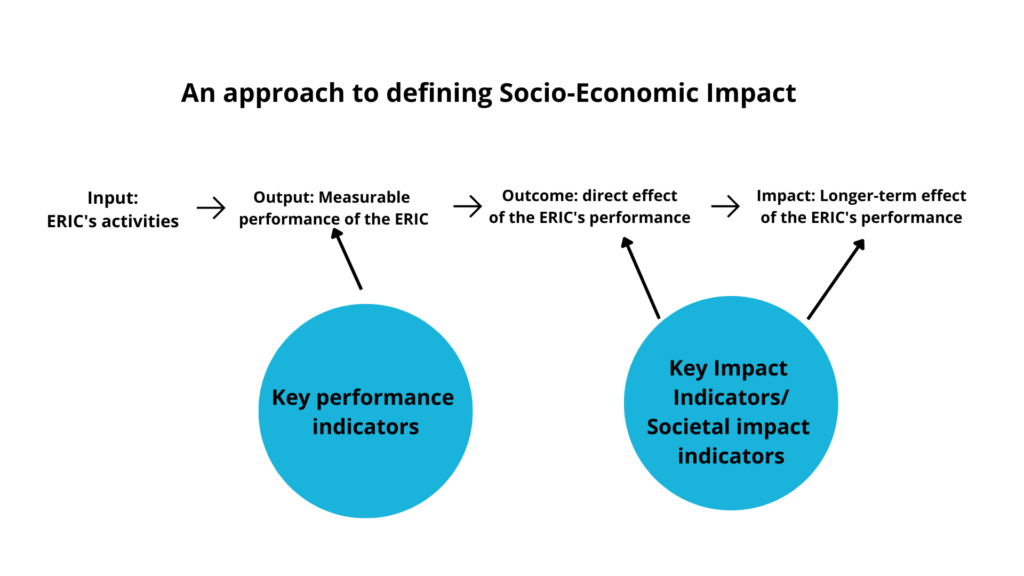
Governance gaps amplify social and economic risks. AI bias and fairness challenges can deepen inequality, while inadequate oversight threatens business efficiency and impact of poor AI governance on trust. Data mishandling and opaque decision-making hinder public confidence. Effective governance ensures fair AI, mitigates AI deployment risks, and supports sustainable economic growth by aligning technology with societal needs.
Poor governance also affects enterprise AI governance outcomes and slows innovation. Companies face legal penalties, reputational harm, and operational inefficiencies when policies lag behind AI evolution. By addressing AI governance operational hurdles, adopting AI risk management strategies, and promoting transparency, organizations can balance economic progress with ethical responsibility and public trust.
Building Trust Through Transparent Governance
Transparency builds confidence. AI governance transparency and explainability allows stakeholders to understand decision-making processes, while AI oversight mechanisms document accountability. Publishing policies, audit trails, and performance metrics strengthens public perception. Organizations embedding responsible AI principles and AI governance frameworks cultivate trust, ensuring that AI adoption aligns with societal expectations and ethical standards.
Transparency also supports cross-functional AI governance committees and enhances AI stakeholder engagement, creating a feedback loop for continuous improvement. By clarifying AI governance roles, implementing adaptive mechanisms, and addressing AI ethical risks, companies can reduce skepticism and foster confidence in AI-driven outcomes. Trust becomes a key differentiator in competitive markets.
The Future of AI and Inclusive Governance

The future demands adaptive AI governance that integrates ethical principles, stakeholder engagement, and regulatory compliance. Organizations must anticipate AI governance operational hurdles and implement proactive policies to prevent AI deployment risks. Inclusive governance ensures technology benefits all stakeholders while respecting legal and moral frameworks. By embedding enterprise AI governance, continuous AI policy development, and ethical governance for AI deployment, the AI ecosystem becomes safer, more transparent, and more equitable.
Investments in education, AI governance skills shortage mitigation, and collaboration strengthen future-readiness. Emphasizing AI decision explainability, auditing, and transparency ensures AI systems evolve responsibly. The next generation of AI governance will balance innovation with ethics, data integrity, and public trust, demonstrating that AI transformation is a problem of governance that requires strategic, inclusive, and forward-thinking approaches.
FAQ’s
What makes AI transformation a problem of governance?
AI transformation challenges organizations to balance technological adoption with ethical, legal, and operational oversight. Governance gaps can lead to AI ethical risks, biased outcomes, and reduced public trust, making structured policies and frameworks essential for responsible deployment.
How can companies address AI governance challenges effectively?
Organizations can implement AI governance frameworks, define clear AI governance roles, and establish cross-functional AI governance committees. Continuous monitoring, risk assessment, and stakeholder collaboration ensure transparency, compliance, and sustainable AI integration.
What are the key risks in AI transformation without governance?
Without governance, AI systems face AI bias and fairness challenges, poor AI decision explainability, and operational failures. Companies risk reputational harm, legal penalties, and loss of stakeholder confidence if oversight is insufficient.
How does ethical governance support AI deployment?
Ethical governance for AI deployment ensures fairness, accountability, and transparency. Integrating responsible AI principles and monitoring adherence to standards like ISO/IEC 42001 AI governance standard reduces operational risks and strengthens trust.
Why is stakeholder engagement critical in AI governance?
AI governance stakeholder collaboration ensures diverse perspectives guide policy, auditing, and risk management. Engaging stakeholders mitigates AI governance operational hurdles, promotes transparency, and enhances compliance with both regulatory and ethical requirements.
Conclusion
In summary, ai transformation is a problem of governance that requires organizations to implement structured frameworks, ethical guidelines, and transparent oversight. Addressing AI governance challenges and AI ethical risks ensures that AI systems operate fairly, reliably, and responsibly across diverse sectors. By emphasizing AI decision explainability and fostering stakeholder collaboration, companies can mitigate operational risks while building public trust. Strategic governance not only supports innovation but also safeguards social, legal, and organizational integrity. Recognizing that AI adoption cannot rely on technology alone reinforces why governance remains the cornerstone of successful, ethical, and sustainable AI transformation.
No responses yet