

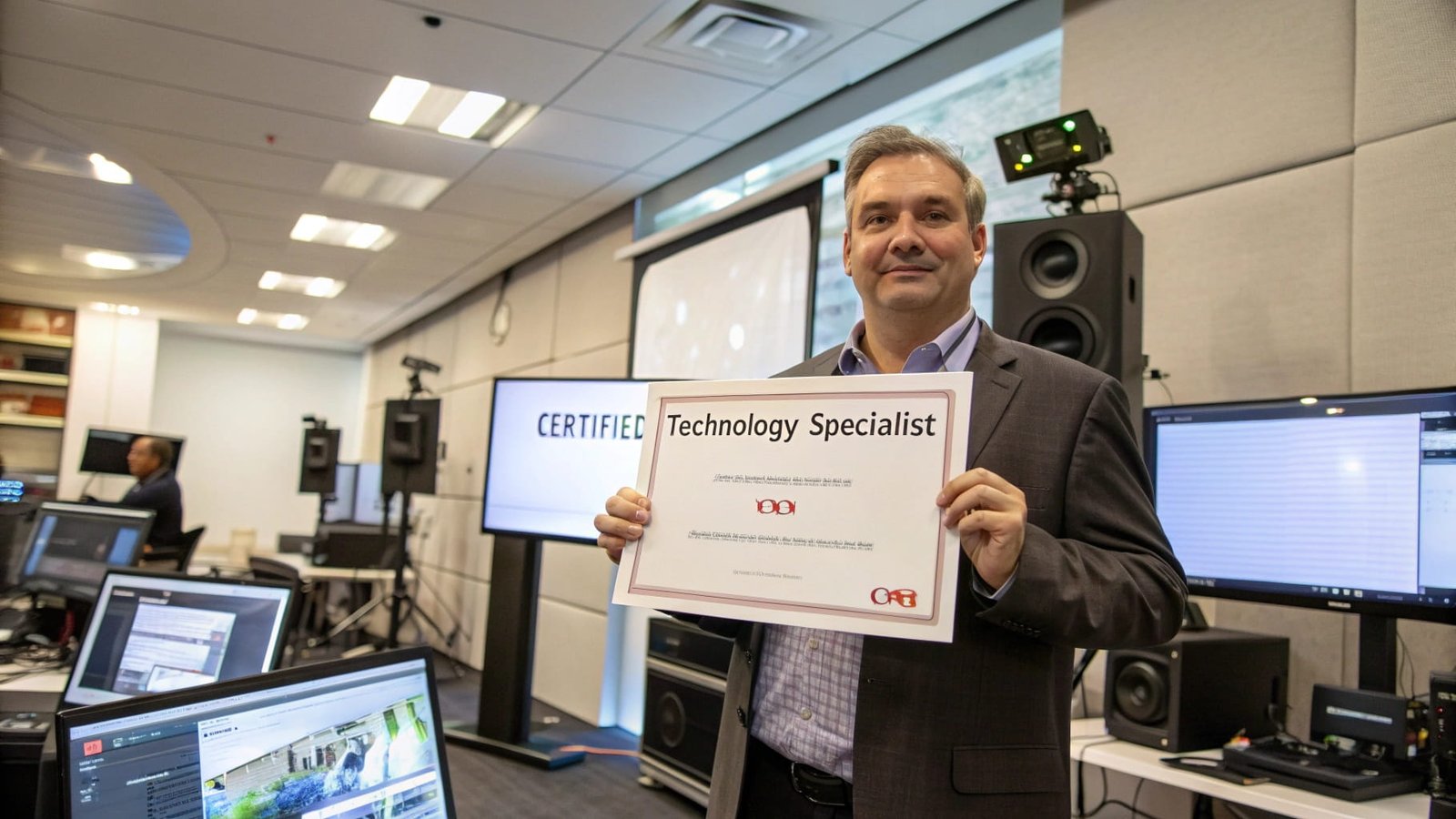
The certified technology specialist certification has become a key pathway for professionals entering the audiovisual industry. A certified technology specialist develops practical expertise in system integration, troubleshooting, and modern AV environments used in corporate and educational settings. Understanding what CTS certification means in the AV industry helps learners recognize its global value and career impact. Many candidates also ask how to become a certified technology specialist while exploring structured learning paths. The certified technology specialist credential connects technical knowledge with real-world application, making it essential for anyone pursuing growth in AV systems certification and aiming to build a strong foundation in professional audiovisual careers.
What is a Certified Technology Specialist
A Certified Technology Specialist is a professional credential that validates expertise in audiovisual systems, integration, and technical operations. The certified technology specialist demonstrates ability to install, operate, and troubleshoot complex AV environments used in modern industries. The CTS certification from Certified Technology Specialist AVIXA is globally recognized and respected across corporate and educational sectors. It confirms practical knowledge rather than theory. Many employers prefer this audiovisual certification for hiring technical staff. The AV technician certification path also connects with CTS standards, making it ideal for beginners entering AV careers. This certification builds a strong foundation for handling real world AV systems efficiently in professional environments.
A certified technology specialist works with equipment such as displays, audio systems, and control technologies. The CTS certification ensures professionals understand system behavior and integration processes. It helps individuals manage communication setups in conferences, classrooms, and events. The certification strengthens problem solving skills and improves technical confidence. As technology evolves, demand for skilled AV professionals continues to grow. This makes CTS an essential qualification for long term career development in the audiovisual industry.
Overview of CTS Certification by AVIXA
The CTS certification is managed by AVIXA, a global organization that sets standards for the audiovisual industry. The AVIXA CTS certification is widely accepted in international markets and validates professional AV knowledge. It focuses on real world skills required for designing, operating, and maintaining audiovisual systems. The certified technology specialist credential ensures professionals meet industry expectations for technical performance. It supports career development across corporate, education, and entertainment environments where AV systems are essential.
AVIXA designs the certification to match modern industry needs. The program connects theory with practical application in system integration and troubleshooting. Certified professionals gain credibility in global job markets. The audiovisual certification improves career mobility and technical recognition. It also prepares individuals for advanced certifications like CTS-D and CTS-I. These pathways help professionals specialize in design or installation roles. Overall, CTS is a structured certification that builds strong technical foundations for AV careers worldwide.
Importance of Certified Technology Specialist Certification in Modern Industry

The certified technology specialist certification plays a major role in today’s digital workplaces. Organizations depend on AV systems for communication, collaboration, and presentations. The CTS certification benefits include stronger technical credibility and improved employment opportunities. Companies prefer certified professionals who can manage complex systems efficiently. The certified technology specialist bridges the gap between IT and audiovisual technology, making it highly valuable in hybrid work environments.
Modern industries such as education, healthcare, and corporate sectors rely heavily on AV systems. The audiovisual certification ensures professionals can handle these environments effectively. As virtual communication grows, demand for skilled AV technicians continues to rise. Certified professionals contribute to smooth system performance and better user experience. This certification also improves problem solving skills and technical decision making. It is not just a qualification but a professional standard that supports long term career stability in technology driven industries.
Types of Certified Technology Specialist Certifications
The certified technology specialist program includes three main certification types designed for different career paths. The CTS certification focuses on general audiovisual knowledge and system operation. It is ideal for beginners entering the AV industry. The CTS-D certification is designed for system designers who plan and create complex AV solutions. The CTS-I certification focuses on installation and maintenance of audiovisual systems in real environments.
These certifications form a complete professional structure within AV system design certification pathways. Each level supports different responsibilities in the AV industry. Professionals can start with CTS and advance to CTS-D or CTS-I based on career goals. The professional AV certification system ensures structured learning and skill development. This tiered approach allows individuals to specialize in design, installation, or support roles. It creates a clear progression path for long term career growth in audiovisual technology fields.
Eligibility Criteria for Certified Technology Specialist Certification
The certified technology specialist certification has flexible eligibility requirements. The CTS exam requirements and eligibility do not demand a specific degree or academic background. However, basic knowledge of audiovisual systems is highly recommended. The certification is designed for individuals with practical experience in AV environments or related technical fields. Beginners can also apply if they understand fundamental AV concepts and system operations.
The certified technology specialist exam focuses on real world scenarios rather than academic theory. This makes it suitable for technicians, engineers, and IT professionals. AV systems certification knowledge helps candidates perform better during the exam. AVIXA encourages hands on experience before attempting certification. There are no strict age restrictions, making it accessible globally. This flexibility allows more professionals to enter the AV industry. Eligibility is mainly based on readiness, practical understanding, and willingness to learn advanced audiovisual system concepts.
Skills Required for a Certified Technology Specialist
A certified technology specialist must develop a combination of technical and communication skills. Core skills include understanding audiovisual systems, signal flow, and device integration. An AV integration specialist must also know how to troubleshoot technical issues quickly. These skills are essential in real world environments such as conferences and classrooms. The CTS certification benefits include improved technical thinking and system analysis abilities.
Communication skills are equally important in this role. Professionals often interact with clients, engineers, and project managers. Problem solving skills help manage unexpected technical challenges during installations. Knowledge of network based AV systems is increasingly important in modern technology environments. The professional AV certification also enhances adaptability because technology changes rapidly. A certified technology specialist must continuously update skills to stay relevant. This combination of technical expertise and soft skills ensures success in the audiovisual industry.
Certified Technology Specialist Exam Structure and Format
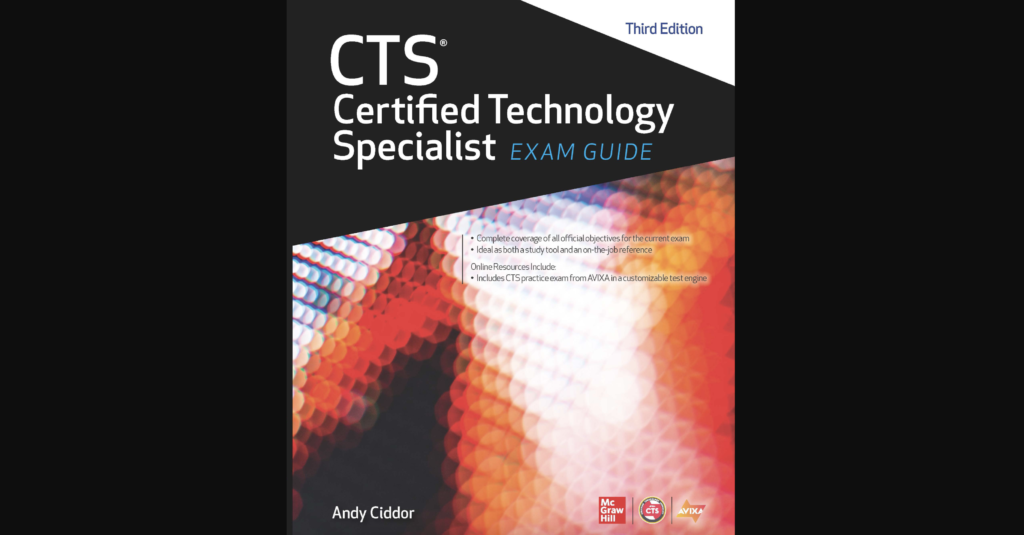
The certified technology specialist exam evaluates both theoretical and practical knowledge. The CTS exam includes scenario based questions that simulate real world AV challenges. Candidates must demonstrate understanding of system design, troubleshooting, and project management. The CTS certification exam pattern and syllabus cover multiple technical areas including audio, video, and control systems.
Time management is important during the exam due to complex problem solving questions. Many candidates prepare using CTS exam questions and answers practice materials. These resources help improve accuracy and speed. The exam focuses on applied knowledge instead of memorization. It tests how well candidates can handle real AV environments. This makes the certification highly practical and industry relevant. The structure ensures that certified professionals are capable of managing professional audiovisual systems efficiently in real working conditions.
Key Topics Covered in the CTS Exam
The CTS exam covers essential topics related to audiovisual systems and integration. Key areas include signal flow, system architecture, troubleshooting, and project management. AV systems certification knowledge is required to understand how different devices connect and interact. The AV certification exam guide also includes audio design, video systems, and control technologies.
Networking concepts are included because modern AV systems rely on IP based communication. Candidates must understand equipment specifications and installation standards. Safety procedures and documentation are also important topics. The certified technology specialist must be able to analyze system performance in real environments. The exam focuses on practical knowledge rather than theoretical memorization. These topics prepare professionals to handle real world AV challenges in corporate, educational, and event based environments effectively and confidently.
How to Prepare for the Certified Technology Specialist Exam
Preparation for the certified technology specialist exam requires structured learning and practical experience. The best way to prepare for CTS exam is to combine theory with hands on practice. CTS certification online training programs offered by AVIXA provide structured guidance for learners. These programs help build strong foundational knowledge in audiovisual systems.
Candidates should also study CTS certification study material free for basic understanding. However, official resources are more reliable for exam success. Practice tests help improve confidence and time management. The AVIXA CTS certification full guide provides detailed insights into exam expectations. Real world experience in AV systems also improves learning. Continuous revision of key concepts strengthens retention. A balanced preparation strategy combining study and practice leads to higher success rates in certification exams and better professional readiness.
Best Study Resources for CTS Certification
Several study resources are available for CTS certification preparation. AVIXA offers official AVIXA training courses that include structured lessons and practice tests. These courses are the most reliable because they align with exam content. Books and study guides provide additional explanations of technical concepts. Online learning platforms also offer CTS certification online training programs for flexible study schedules.
Practice exams help candidates understand question patterns and improve performance. Community forums provide useful insights and shared experiences. The CTS certification for beginners guide is helpful for new learners entering the AV industry. Combining multiple resources improves understanding and retention. However, official AVIXA materials remain the most trusted source. Consistent study and practice are essential for mastering audiovisual concepts. Proper preparation increases confidence and improves chances of passing the CTS exam successfully.
Career Opportunities After Becoming a Certified Technology Specialist
The certified technology specialist certification opens wide career opportunities in the AV industry. Professionals can work as AV technicians, system installers, or AV engineers. The certified technology specialist job roles and responsibilities include installation, maintenance, and troubleshooting of AV systems. These roles are in demand across corporate, education, and entertainment sectors.
Audiovisual industry jobs continue to grow due to digital communication and hybrid work models. Certified professionals work in conference rooms, smart classrooms, and live event setups. The certification also provides a pathway to advanced technical roles in system design and project management. With experience, individuals can progress to senior engineering positions. The what jobs can I get with CTS certification question highlights strong career flexibility. CTS certification significantly improves employability and long term career growth in the global audiovisual industry.
Salary Expectations for Certified Technology Specialist Professionals
The salary of a certified technology specialist depends on experience, location, and job role. Entry level professionals earn moderate income, while experienced specialists earn higher salaries. The CTS salary increases significantly with advanced skills and certifications. Global demand for AV professionals continues to grow due to expanding technology systems.
The how much does a certified technology specialist earn question varies by industry and region. Corporate AV roles often pay more than basic technician jobs. Advanced certifications such as CTS-D and CTS-I further increase earning potential. Employers value certified professionals because they reduce system errors and improve efficiency. This leads to better salary packages and job stability. The certification provides strong financial growth opportunities for individuals working in audiovisual and integrated technology environments across global markets.
Certified Technology Specialist vs Other Technical Certifications

The certified technology specialist certification is different from other technical certifications due to its focus on audiovisual systems. Unlike general IT certifications, CTS focuses on real world AV environments. The CTS certification vs other AV certifications comparison shows that CTS is more specialized in system integration and operation.
IT certifications focus on networking and software, while CTS focuses on hardware and AV system behavior. The difference between CTS and CTS-D certification highlights specialization in design versus general knowledge. CTS provides a foundation for AV professionals. It is widely preferred for AV specific job roles. Employers trust CTS certified individuals for practical technical work. This makes it a strong alternative for those who want to build a career in audiovisual and integrated communication systems rather than general IT fields.
Benefits of Certified Technology Specialist Certification
The certified technology specialist certification offers multiple professional benefits. It improves career opportunities, technical knowledge, and global recognition. The CTS certification benefits include stronger employability and industry credibility. Certified professionals are trusted to manage complex AV systems efficiently in real environments.
The is CTS certification worth it question is often answered positively due to strong industry demand. It helps professionals gain confidence in handling technical challenges. The certification also improves problem solving and system management skills. It opens doors to better job roles and higher salaries. Employers prefer certified individuals because they ensure system reliability. The certification supports long term career development in audiovisual industries. Overall, CTS is a valuable qualification that enhances both technical expertise and professional growth in modern technology driven careers.
Future Scope of Certified Technology Specialist in the Technology Industry
The future of the certified technology specialist is strong due to increasing demand for advanced AV systems. The future scope of certified technology specialist career includes growth in smart technologies, automation, and digital communication platforms. Organizations are adopting hybrid work environments, increasing the need for skilled AV professionals.
The certified technology specialist job roles and responsibilities are expanding with new technologies like cloud based AV and AI integration. Educational institutions and corporate sectors continue to invest in advanced audiovisual systems. This creates long term career opportunities. The CTS career path allows professionals to move into design and engineering roles. Continuous learning is essential as technology evolves rapidly. CTS certification ensures future readiness and long term stability in the growing audiovisual and integrated technology industry.
FAQ’s
What is a Certified Technology Specialist and why is it important in the AV industry?
A Certified Technology Specialist is a professional credential that validates expertise in audiovisual systems, installation, and integration. It is important because it confirms practical skills required for managing complex AV environments in corporate, education, and event sectors.
How does CTS certification help in career growth and business development roles?
CTS certification improves technical credibility and opens opportunities in AV project management and system integration roles. It supports business development by enabling professionals to deliver better client solutions and build stronger technology-driven partnerships.
What skills are required to become a successful Certified Technology Specialist?
Key skills include AV system knowledge, troubleshooting, project coordination, and communication abilities. Strong problem-solving and technical adaptability are essential for handling real-world audiovisual challenges effectively.
Is Certified Technology Specialist certification worth it for beginners in the AV industry?
Yes, it is highly valuable for beginners as it provides structured entry into the AV industry. It builds foundational knowledge, improves employability, and prepares candidates for advanced AV and technical certifications.
What job opportunities are available after earning CTS certification?
CTS certification leads to roles such as AV technician, system installer, AV engineer, and technical support specialist. It also supports long-term career progression into design, project management, and advanced audiovisual system roles.
Conclusion
The certified technology specialist credential continues to play a vital role in shaping modern AV careers. A certified technology specialist gains industry recognized skills that improve job opportunities and technical confidence across multiple sectors. Professionals often explore is CTS certification worth it when evaluating long-term benefits and career stability. Understanding CTS certification vs other AV certifications highlights its strong focus on practical audiovisual systems rather than theory alone. With growing demand for integrated communication technologies, the certified technology specialist pathway offers lasting value, improved salary potential, and global recognition. It remains a powerful certification for building a successful future in the evolving audiovisual industry.